

.svg)


Key Takeaways
- Inbound freight - from factory dock to fulfillment center shelf - is where most hidden delays, detention fees, and inventory errors start, long before outbound shipments miss SLA targets.
- "Inbound freight" includes FTL/LTL, containers, small parcel replenishments, plus all documents (BOL, packing slips, ASN) and data flows (EDI/API) that feed your warehouse management system.
- Disciplined receiving procedures - scheduling, quality inspection, count verification, putaway - translate directly into real time visibility, reliable fulfillment, and higher customer satisfaction.
- The most common causes of inbound delays are bad labeling, missing BOL data, appointment conflicts, and non-compliant pallets. Each is preventable with vendor routing guides and pre-shipment checklists.
- ShipNetwork and SmartFreight coordinate freight, manage dock appointments, and tie into electronic data interchange so inbound inventory lands in-network fast and accurately.
Introduction: The "Invisible" Half of Fulfillment (Until Something Breaks)
Most ecommerce brands pour energy into outbound shipping speed - transit times, carrier rates, unboxing experiences. That makes sense. But inbound logistics is the half of fulfillment that stays invisible until it breaks, and when it breaks, the damage compounds fast.
Picture a DTC supplement brand expecting a 40-foot ocean container in August 2026. Two dock appointments get missed because the bill of lading lists the wrong consignee facility. The container sits. Four full selling days evaporate right before a Labor Day promotion. The stockout hits revenue, customer experience suffers, and the marketing team scrambles to pull ads for products that aren't available.
This is the pattern: inbound freight fails quietly, then outbound shipments pay the price. Inbound freight covers everything traveling from manufacturers or suppliers into your 3PL fulfillment network - not to end customers. Outbound shipments go the other direction, from distribution centers to doorsteps. Effective management of inbound freight is crucial to avoid stockouts and minimize costs, yet most brands don't build a playbook for it until after the first painful miss.
This article is that playbook. We'll walk through every step - BOL creation, dock scheduling, the warehouse receiving process, common challenges, and how SmartFreight and EDI integration remove the friction - so your inventory flows into ShipNetwork's nationwide fulfillment network without delays or surprises.
What Inbound Freight Actually Covers in Modern Ecommerce Fulfillment
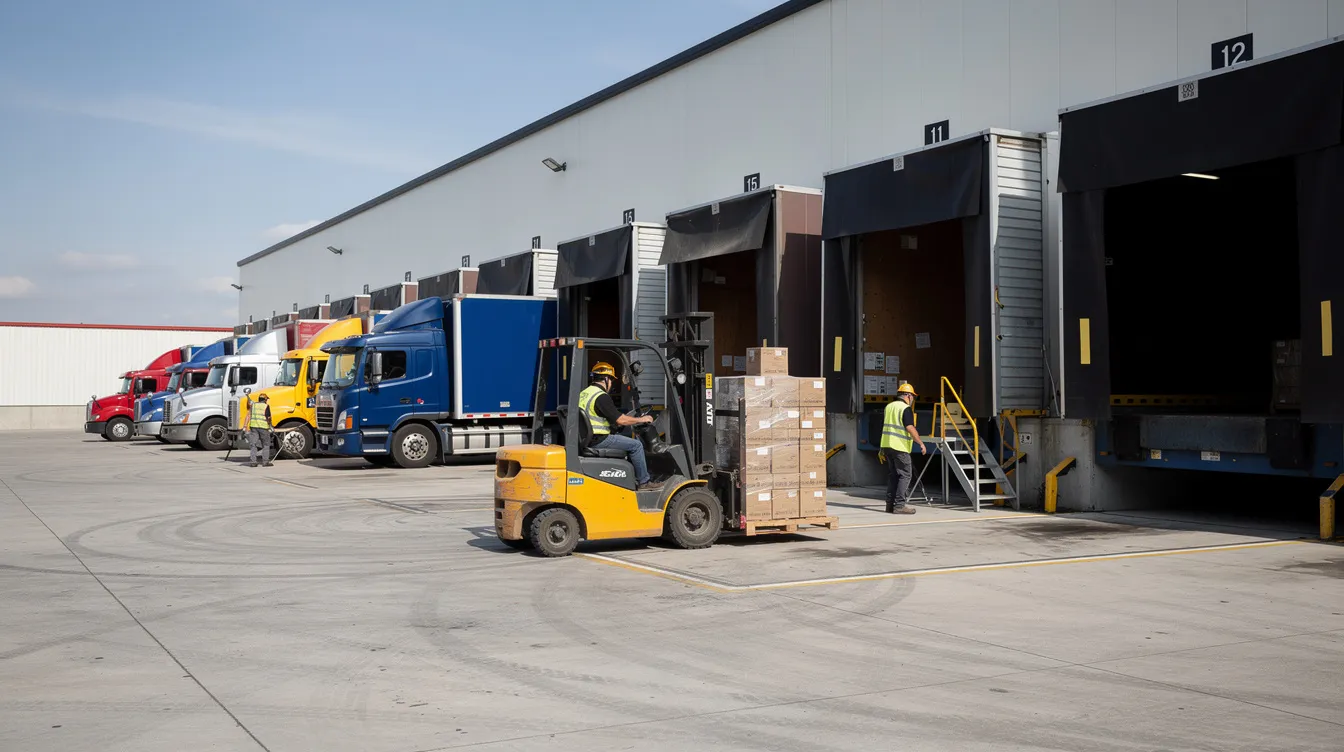
Inbound freight encompasses all physical movements and information flows from a factory or supplier dock to your 3PL's receiving doors. That includes domestic LTL and FTL loads, ocean containers, air freight, and parcel replenishments. It also includes every document and data transmission - purchase orders, packing slips, ASNs, and BOLs - that tell warehouse operations what to expect. Inbound freight involves sourcing, transporting, receiving, and storing goods from suppliers, and the key components of inbound logistics include purchasing, procurement, transportation, and receiving.
Common inbound freight scenarios for ecommerce brands:
- A 10-pallet LTL replenishment from a California co-packer to a fulfillment center
- A floor-loaded 40-foot container of apparel arriving at an East Coast facility via port drayage
- Weekly pallet drops from a Midwest contract manufacturer to multiple ecommerce warehouse nodes
The distinction matters: inbound freight covers transport plus documentation up to the dock door. The inventory receiving process starts at check-in, inspection, and system receiving. Both can cause delays, but many problems originate upstream - before the truck ever backs into a loading dock.
For ShipNetwork clients, inbound freight also means strategic inventory positioning across multiple fulfillment centers to reach 98% of U.S. customers in 1–2 days via ground. That coverage only works when incoming shipments arrive at the right nodes at the right time. Receiving inventory is the first step in inventory management, and when that step falters, every downstream promise is at risk.
The Bill of Lading (BOL): The Document That Makes or Breaks Your Inbound
The BOL is the legal backbone of every freight shipment. It serves three roles simultaneously: contract of carriage between shipper and carrier, receipt of goods loaded, and - for many international shipments - document of title. Every LTL, FTL, or container load arriving at your 3PL depends on this single document.
Critical data points that must be accurate for fast warehouse receiving:
- Shipper and consignee names and addresses (matching the 3PL's facility ID exactly)
- PO or ASN reference number
- SKU descriptions or harmonized item identifiers
- NMFC code and freight class for LTL
- Pallet counts, individual weights, and total weight
- Special instructions for handling (temperature control, fragile, hazmat)
A bad BOL creates immediate friction. Imagine 26 pallets arrive but the freight bill omits the PO number or mis-labels the consignee facility. The receiving team must quarantine the load until paperwork is resolved. Labor sits idle. Dock doors stay occupied. Inventory that should be sellable by noon doesn't enter the warehouse management system until the next day. Accurate data entry ensures proper inventory tracking in WMS, and clear communication with suppliers minimizes receiving discrepancies.
Best practices: standardize BOL templates with your 3PL's required fields, keep PO numbers and SKU identifiers consistent with what exists in the WMS, and verify documents before the truck leaves the supplier. Vendor compliance ensures adherence to established routing and shipping standards. SmartFreight can auto-generate compliant BOLs and attach digital copies to inbound loads so the receiving team sees documentation before the truck hits the dock.
Dock Appointments and Yard Flow: Avoiding the First Big Inbound Bottleneck
Without structured appointment scheduling, dock congestion is almost guaranteed. Carriers compete for doors, detention charges stack up, and inbound freight backs up while outbound shipments fight for the same resources. Effective dock scheduling prevents bottlenecks and reduces idle labor costs - and the numbers are significant.
Industry-wide, average dock wait times run approximately 2.5 hours, with detention fees averaging $50–$75 per hour once free time expires. A facility handling 30 trucks per day with a 35–40% detention rate can spend upward of $180,000 annually in detention alone. Well-run scheduling systems cut gate-to-dock waits under 45 minutes and reduce detention charges by 30–50% within the first 90 days.
How it works at a modern 3PL: carriers schedule appointments via an online portal or EDI message. The receiving team aligns labor, equipment, and dock door assignments. Yard management dashboards provide real time visibility into what's staged, unloading, or waiting.
What brands and suppliers should do:
- Schedule appointments at least 24–48 hours before arrival
- Ensure the carrier has the 3PL's facility ID, address, and routing guide
- Avoid sending unscheduled "live loads" that show up hoping for a door
- Synchronize receiving with inventory putaway to prevent congestion at the dock
Poor communication leads to dock congestion and delays. Three unscheduled LTLs arriving at 4:30 p.m. on a Friday can force overtime or push receiving into the weekend. ShipNetwork coordinates dock availability and inbound routing through centralized distribution operations, and SmartFreight can manage appointment scheduling across multiple carriers and facilities on the shipper's behalf.
Inside the Warehouse Receiving Process: From Trailer Door to Putaway
Warehouse receiving starts when a truck checks in and ends when inventory sits in its assigned pick or reserve storage locations, ready for order fulfillment. This is where inbound operations become inbound inventory - and where errors during receiving lead to inventory inaccuracies that ripple through every downstream process.
Check-in and unloading. The driver checks in, the facility verifies the appointment and examines paperwork, confirms seals if applicable, and assigns a dock door. Unloading uses forklifts, pallet jacks, or conveyor lines depending on load type. Inbound logistics includes trailer unloading and freight inspection at this stage.
Inspection and count verification. The receiving team compares physical stock against the BOL, packing slips, and ASNs. They check for damage, label legibility, expiration dates, and lot numbers where applicable. Quality control checks prevent discrepancies in received inventory and prevent costly downstream errors. Discrepancies - shorts, overs, or mismatches - get documented immediately. Receiving costs range from $2.50 to $40.79 per unit depending on complexity, and $2.50 to $3.00 per carton for standard receiving.
System receiving. Barcode scanning improves accuracy during the receiving process. Staff scan barcodes into the WMS at case or pallet level, confirming SKUs and quantities match inventory records and updating on-hand counts in real time. This is where inventory data becomes available to sales channels and the picking process. Standardized procedures minimize mistakes in inventory receiving and reduce errors in the receiving process overall.
Putaway. Putaway refers to placing goods into designated storage areas within a facility. The WMS directs tasks based on SKU velocity, size, temperature requirements, and cross-docking opportunities for fast-moving SKUs. Efficient putaway reduces travel time for future picking and keeps the receiving area clear for the next load.
Efficient receiving processes reduce holding costs and improve cash flow. Streamlined receiving prevents costly inventory discrepancies. A clean, same-day receiving process means replenishments become available for sale quickly - preventing stockouts and fulfillment delays that hurt customer satisfaction. Standardized procedures reduce errors and improve efficiency across every step.

Common Inbound Delays (and How to Prevent Them Before the Truck Rolls)
Most inbound freight delays are preventable with better prep at the factory or vendor level - not by asking the 3PL to work miracles at the dock. Here are the major root causes and how to address each:
ShipNetwork helps merchants establish vendor compliance checklists and pre-shipment documentation standards so the receiving team can move freight straight from dock to shelf without rework, improving receiving accuracy and overall warehouse efficiency.
Designing Inbound Freight to Support Reliable Fulfillment and Real Time Visibility
Inbound freight decisions - carriers, lanes, consolidation strategy, and data standards - directly shape downstream performance: OTIF rates, inventory turns, and 1–2 day delivery coverage. When you design inbound freight for visibility, you give your fulfillment operations a predictable foundation.
Implementing real-time visibility and data sharing improves inventory tracking accuracy. Real-time data capture eliminates manual errors in inventory management. Cloud-based inventory systems provide real-time updates on stock levels, and automated notifications alert teams when inventory is received. These aren't nice-to-haves - they're what separate brands that can fulfill orders reliably from those constantly firefighting.
Utilizing a central Transportation Management System can automate carrier selection and track shipments across legs. AI tools can enhance demand forecasting and optimize routing based on historical trends, helping brands meet customer demand without overbuilding safety stock. Real-time updates improve visibility and reduce receiving errors across your inventory management ecosystem.
An example pipeline: PO issued in May 2026 → SmartFreight books ocean and domestic legs → ASN sent to ShipNetwork 48 hours before arrival → dock appointment scheduled automatically → inventory visible in client portal within hours of putaway. When inbound freight is predictable and visible, brands launch campaigns with confidence, update preorder dates accurately, and avoid surprise stockouts during events like Black Friday 2026. That's how inbound logistics matters to customer expectations and the bottom line.
How a Freight Forwarding Partner Like SmartFreight Simplifies Inbound
SmartFreight plans and executes domestic and international shipments into ShipNetwork's fulfillment network - from factory pickup through final warehouse receiving. For brands managing multiple suppliers, lanes, and modes, this eliminates the coordination overhead that comes with handling carrier management directly. Carrier management involves maintaining communication and utilizing technology for routing, and SmartFreight handles both.
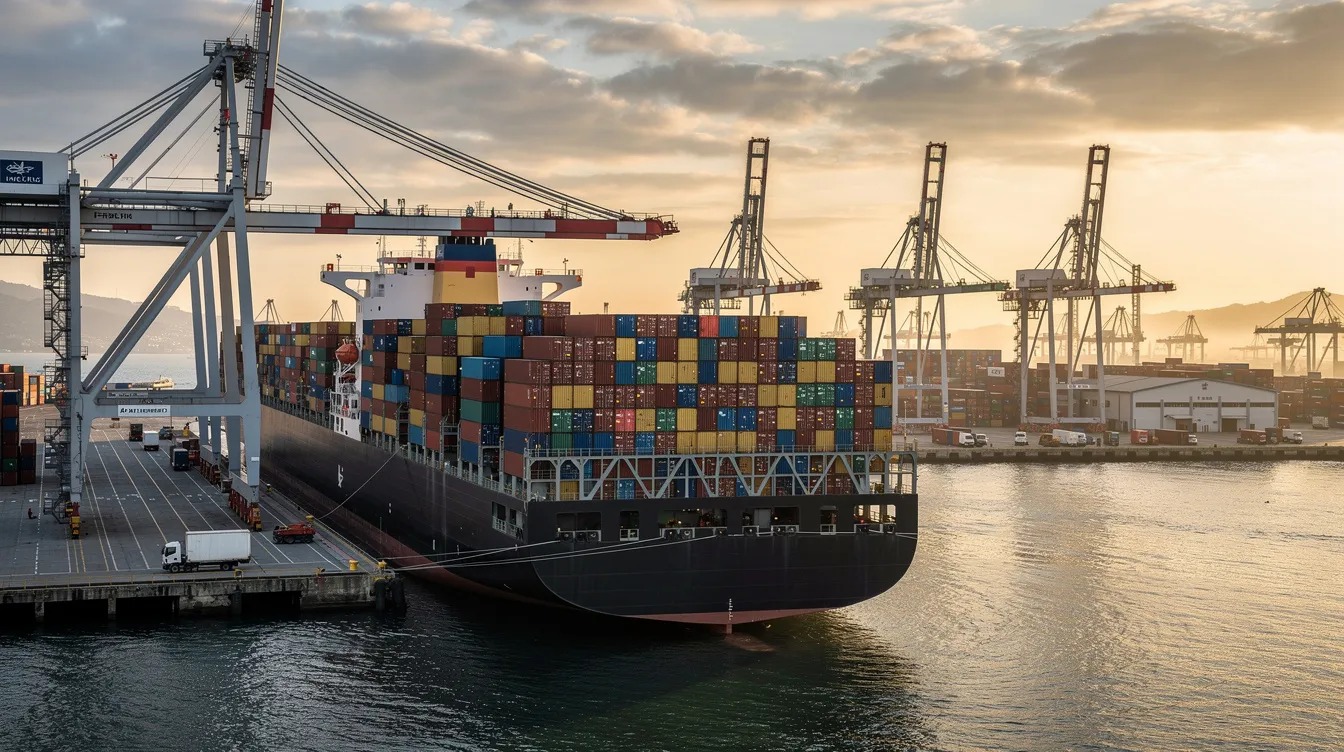
SmartFreight optimizes mode and carrier selection - LTL vs. FTL vs. intermodal vs. air - based on transit requirements, budget, and target inbound dates relative to promotional calendars. It aligns sailing dates, port drayage, transload operations, and final-mile FTL appointments with ShipNetwork's dock capacity, avoiding surprise weekend arrivals or detention at the gate.
On the documentation side, commercial invoices, packing slips, BOLs, and customs paperwork for international shipments are standardized and shared digitally with the receiving team before arrival, reducing check-in friction. Cross-docking can minimize storage by moving goods directly from inbound to outbound transport when timing and demand align.
The value is straightforward: by using SmartFreight, brands offload the complexity of inbound freight orchestration. You focus on product and marketing. ShipNetwork keeps inventory flowing into the network. That's a competitive advantage for brands scaling past a handful of inbound loads per month.
Data Accuracy and EDI: Keeping Inbound Freight and Inventory in Sync
Data quality is as important as physical freight movement. Inaccurate or late data destroys full visibility and leads to incorrect receiving, misplaced SKUs, and missed SLAs. When inventory records don't match physical stock, you can't fulfill orders confidently.
Electronic Data Interchange streamlines receiving operations by automating purchase orders (EDI 850), ASNs (EDI 856), warehouse receiving advises, and invoices. Suppliers, freight teams, and your 3PL share the same source of truth. Research shows that replacing manual data entry with EDI reduces document mismatch errors by 30–40%, speeds dock throughput, and improves receiving accuracy.
Without edi integration or API connections, common mismatches appear: SKU codes differ between ERP and WMS, carton quantities don't match the PO, or incoming goods arrive before any records exist in the 3PL's system. Each mismatch means delays, rework, and inventory inaccuracies that cascade into order processing errors.
ShipNetwork supports EDI and API integrations so inbound receipts post directly into the client's ERP or OMS. This eliminates manual re-keying and keeps finance, operations, and sales aligned. Inventory management systems stay accurate. Order accuracy stays high. Brands exploring higher-volume inbound freight or retail/B2B channels should review ShipNetwork's EDI capabilities to understand integration options for their distribution centers.
Putting It All Together: Building an Inbound Freight Playbook with ShipNetwork
Strong inbound freight processes underpin reliable fulfillment: clean BOLs, scheduled dock times, disciplined receiving procedures, repeatable workflows, and connected data flows. When these elements work together, shipping delays drop, shipping costs stay predictable, and inventory control improves across every node.
The metrics leadership teams care about - faster inventory availability, fewer stockouts, lower detention and overtime, higher on-time shipment rates - all trace back to how well inbound operations perform. Effective inventory management starts upstream, not at the pick line.
An inbound "playbook" should include:
- Vendor routing guide (facility addresses, carrier preferences, door hours, special instructions)
- Pallet and labeling standards (SSCC labels, barcode scanners compatibility, max height/weight)
- Documentation checklist (BOL template, ASN required fields, commercial invoices for international shipments)
- Dock appointment rules and protocols (lead times, grace periods, penalties)
- Exception and escalation paths (wrong documentation, damage, labeling mismatch)
ShipNetwork already has this framework in place. SmartFreight plus EDI integrations let brands plug into a mature inbound ecosystem - improving operational efficiency and cost control - instead of building from scratch. If you're shipping 5,000+ orders per month and want to improve accuracy across your supply chain, talk with ShipNetwork about tuning inbound freight so outbound ecommerce fulfillment can run at full speed.
FAQs: Inbound Freight and Warehouse Receiving
These FAQs cover practical inbound questions aimed at ecommerce and B2B operators working with a third party logistics provider. They address details not fully covered in the playbook above.
How far in advance should I schedule inbound appointments with a 3PL?
For domestic LTL/FTL into U.S. fulfillment centers, 24–72 hours is standard. During peak seasons like November–December, book up to a week ahead. Align appointments with production schedules and container ETAs so freight doesn't arrive early (incurring storage or detention) or late (missing promotional windows). ShipNetwork provides guidance on optimal scheduling windows for each facility based on historical volume and carrier performance. Brands that leverage technology for scheduling - portals, EDI messages - consistently hit better on-time arrival rates.
What labeling standards should my vendors follow for smooth warehouse receiving?
At minimum: scannable barcodes on every case and pallet, clear SKU and product description, lot/batch and expiration dates where applicable, and carton counts per pallet. Use GS1-compliant labels when selling into major retailers or marketplaces. Barcode scanners at the dock need clean, consistently placed labels to identify bottlenecks quickly. ShipNetwork can share vendor compliance and labeling guides so suppliers package product correctly before it ever leaves the factory, keeping the physical layout of the receiving area organized and efficient.
Can I cross-dock inbound freight directly to outbound orders?
Cross-docking means receiving inbound pallets or cartons and routing them immediately to outbound staging rather than reserve storage locations. It works for predictable, high-volume SKUs and pre-sold campaigns, but requires accurate ASNs, tight timing, and coordination with the receiving team. ShipNetwork evaluates cross-docking opportunities case-by-case to ensure they improve - not disrupt - overall warehouse receiving and order fulfillment flow. When done right, it shaves hours off the time between dock arrival and customer delivery.
How does inbound freight affect my storage and fulfillment costs?
Poor inbound practices - oversized pallets, mixed and unlabeled cartons, late-night arrivals - drive extra handling, rework, and overtime charges. These inflate per-order fulfillment costs and hurt inventory accuracy. Well-planned inbound with standardized pallets, accurate documentation, and clean labeling reduces touches, shortens receiving cycle time, and supports long term contracts with predictable pricing. ShipNetwork's team can review recent inbound activity to identify quick wins that lower cost per unit.
What's the difference between working with a carrier directly and using SmartFreight for inbound?
Going direct means the brand manages carrier selection, routing, documentation, and appointment coordination across every supplier and lane. That's manageable at low volume but becomes a drain on the logistics industry knowledge your team has bandwidth for. SmartFreight centralizes this work: selecting carriers, booking space, preparing BOLs, handling exceptions, and syncing schedules with ShipNetwork facilities. For brands scaling beyond a few inbound loads per month, SmartFreight typically delivers better rate consistency, transit reliability, and inbound visibility - freeing your team to focus on growth rather than freight coordination.