Introduction/Summary
Every growing ecommerce business hits the same inflection point: parcel shipping stops making sense for certain parts of the supply chain. Whether you're restocking inventory from a manufacturer, selling oversized furniture, or fulfilling pallet-quantity wholesale orders, freight shipping becomes the more practical and cost effective method to move goods.
Freight shipping is the transportation of goods in bulk, typically using trucks, trains, ships, or planes. Unlike parcel shipping, which handles individual packages through carrier networks like UPS or FedEx, freight shipping is used for large, heavy, or high-volume shipments that exceed standard parcel weight and size limits. Freight is typically considered for shipments over 49 pounds or exceeding specific dimensions, though most brands encounter it once shipments surpass 150 pounds or require palletization.
This guide breaks down when freight becomes necessary, how each freight shipping scenario works, what drives freight costs, and how to avoid the mistakes that create delays and unexpected charges. Use it as your reference for making smarter freight decisions as your brand scales.
\
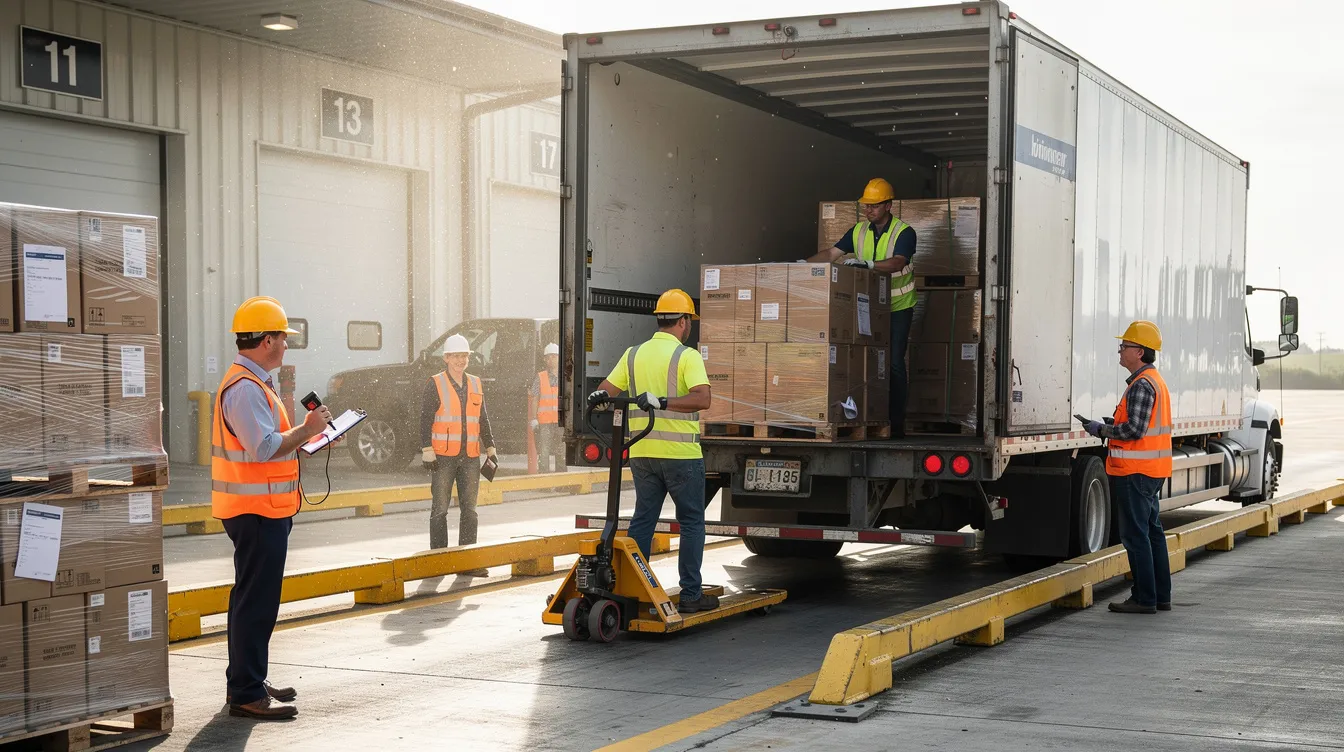
How We Evaluate Freight Shipping Scenarios
Before choosing a freight approach, you need to evaluate four categories of criteria.
Shipment Characteristics
- Weight and dimensions determine whether you need less than truckload (LTL) or full truckload shipping. LTL shipping handles shipments between 150 and 15,000 pounds. Full Truckload (FTL) shipping is for shipments over 15,000 pounds.
- Carrier pricing for freight is based on weight, dimensions, and handling difficulty, not just package count or zones like parcel.
Cost Factors
- Per-unit economics shift dramatically with volume. Shipping costs drop per item as shipment size increases.
- Distance, urgency, and handling requirements (liftgate, residential delivery, temperature control) all influence total transportation costs.
- Specialized handling may be required for hazardous materials or temperature-controlled goods like perishable goods, adding complexity and cost.
Operational Requirements
- Freight shipping involves several steps including booking and documentation. You need proper Bills of Lading, appointment scheduling, and receiving capabilities at the final delivery destination.
- Shipping requires tracking technology to provide status updates throughout the transportation process.
Service Level Needs
- Transit time, insurance, special handling, and delivery speed all factor into mode selection.
- Expedited shipping guarantees faster delivery than standard methods but typically incurs higher costs than standard shipping.
5 Main Freight Shipping Scenarios for eCommerce Brands
1. Inbound Inventory from Manufacturers
E-commerce freight shipping often moves goods from suppliers to fulfillment centers. This is the most common freight scenario for growing brands: receiving large inventory shipments from domestic or overseas manufacturers.
Why It's Essential
Bulk purchasing through freight consolidation dramatically reduces per-unit shipping costs compared to ordering small quantities via parcel. Effective inventory control is crucial for avoiding stockouts and managing freight efficiently, and freight gives you the volume to maintain healthy stock levels without overpaying on transportation.
Best For
Growing ecommerce brands ordering 10+ pallets per replenishment cycle, brands with established inventory cycles and predictable demand patterns, and any company looking to ship inventory in large quantities to fulfillment centers.
Key Process Steps
- LTL vs FTL decision: For 1–6 pallets, LTL is typically more cost effective. Once you cross 8–12 pallets or roughly 10,000–15,000 pounds, FTL becomes the better option economically.
- Booking and documentation: Prepare a Bill of Lading with carrier, shipper, consignee, weight, and item description. Send an Advanced Ship Notice (ASN) to the receiving facility.
- Appointment scheduling: Most fulfillment centers require appointments 24–48 hours in advance. Miss the window and your shipment sits.
- Receiving and putaway: Inspect for damage, verify counts against the BOL, and break down pallets for unit-level putaway.
Common Challenges
Poor palletization causes the most friction. Non-standard pallet sizes, overhang, insufficient wrapping, and unstable stacking lead to rejection or damage. Missing documentation and appointment coordination issues add delays that ripple through warehouse operations and disrupt your entire shipping process.
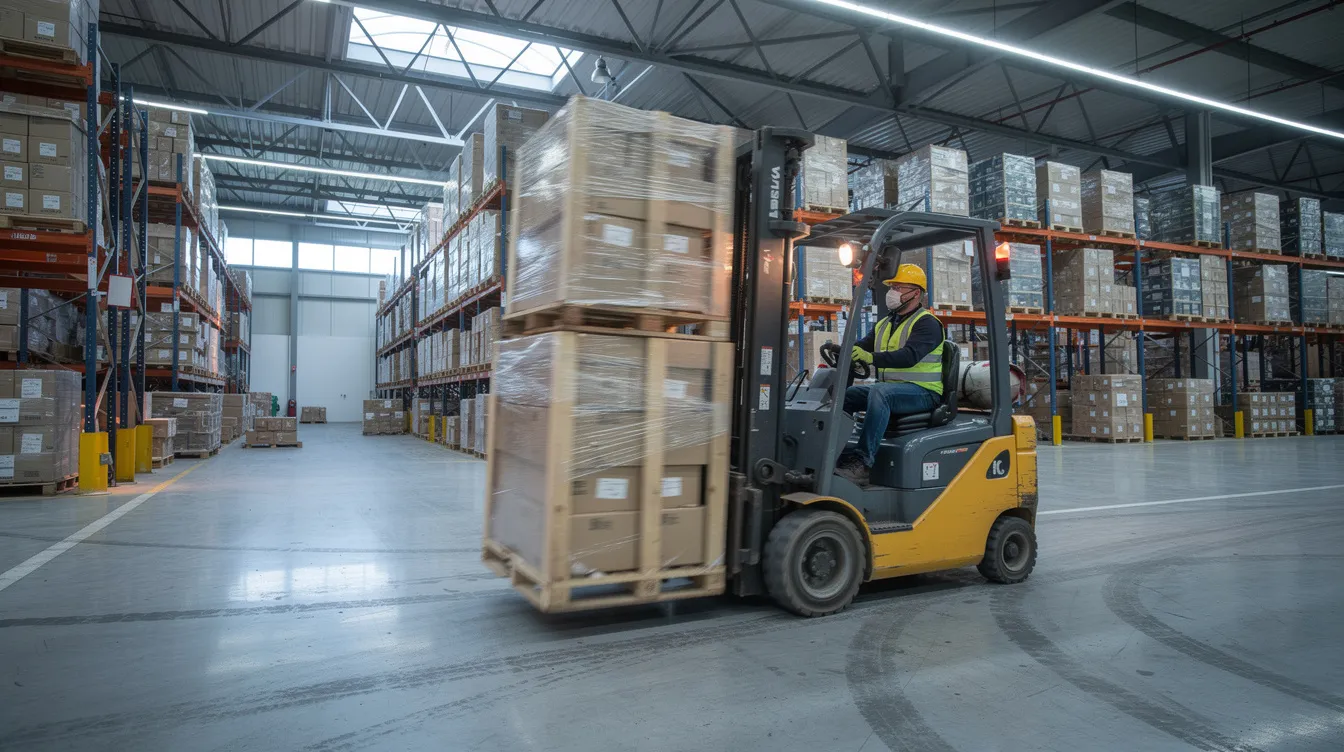
2. Large Product Shipping (Oversized Items)
Some products simply cannot move through parcel carrier networks. Furniture, appliances, exercise equipment, and industrial products require freight transportation due to their size and weight.
Why It's Essential
Parcel carriers cap individual packages at roughly 70–150 pounds depending on the carrier, with dimensional limits typically around 108 inches in length. Anything beyond these thresholds requires a freight shipment. Freight shipping is ideal for shipments over 150 pounds, and for large and heavy packages, it's often the only viable option.
Best For
Brands selling furniture, fitness equipment, large electronics, and industrial products that require freight-only delivery to a customer's doorstep or commercial location.
Key Process Steps
- Freight class determination: Your product's density, stowability, liability, and handling needs determine its NMFC freight class, which directly affects LTL pricing.
- Proper packaging: Freight shipping requires secure packaging of goods before transit. Use crating, corner protectors, and adequate packing materials to survive multiple handling events in LTL networks.
- Residential delivery: Delivering to a customer's doorstep requires accessorial charges like liftgate service, appointment delivery, and potentially inside delivery-each adding $40–$150 per service.
Common Challenges
Freight class mis-classification triggers reclassification fees and unexpectedly higher bills. Inadequate packaging materials lead to damage claims. Residential delivery limitations cause customer dissatisfaction when brands don't communicate delivery expectations clearly. Damage rates in LTL networks run 2–5% compared to 0.5–2% for FTL, making proper packaging non-negotiable.
3. Bulk B2B and Wholesale Orders
Fulfilling large orders to retailers, distributors, or commercial customers requires a different approach than direct to consumer fulfillment. Multi-pallet orders shipped to commercial docks are a core freight use case.
Why It's Essential
Freight shipping lowers per-unit costs for bulk shipments, making wholesale economics work. Shipping 20 pallets via FTL is dramatically cheaper per unit than sending hundreds of individual parcels. Dock-to-dock commercial delivery avoids residential surcharges and simplifies the receiving process.
Best For
Brands with wholesale channels, B2B sales, and retail partnerships requiring pallet-quantity shipments to large shipments destinations like distribution centers and retail stores.
Key Process Steps
- Order consolidation: Group orders by destination to maximize trailer utilization and reduce total freight costs.
- EDI integration: Major retailers like Walmart and Target mandate EDI (Electronic Data Interchange) for purchase orders, ASNs, and invoicing. Non-compliance triggers chargebacks.
- LTL vs FTL economics: For bulk B2B, FTL is often the cost effective method because you avoid multiple handling events, and the per-pallet rate drops significantly on full truckloads that use the entire truck.
Common Challenges
EDI compliance requirements are strict. Missing or incorrect ASNs generate chargebacks from retailers. Delivery appointment coordination at retail DCs requires precision. Retailer-specific packaging and labeling rules vary widely, and violations lead to fines that erode margins.
4. Amazon FBA Inbound Shipments
Sending inventory to Amazon fulfillment centers through freight adds a layer of complexity that standard inbound freight doesn't have.
Why It's Essential
Amazon's FBA inbound requirements go beyond normal freight compliance. The platform enforces specific labeling, case pack rules, carrier restrictions, and appointment protocols. Roughly 23% of non-product compliance rejections at Amazon FCs relate to pallet-level issues alone.
Best For
FBA sellers shipping 10+ cases regularly, established Amazon sellers with consistent inventory replenishment cycles, and brands using FBA as a primary channel alongside their own ecommerce shipping strategy.
Key Process Steps
- Shipment plan creation: Build the plan in Seller Central with ASIN, SKU, case pack, carton dimensions, and unit counts. Changes mid-process cause rework and potential chargebacks.
- Labeling compliance: Box dimensions cannot exceed 25 inches on any side (unless the item itself is longer). Weight limit is 50 pounds per box-"Team Lift" labels required over that, "Mechanical Lift" labels over 100 pounds.
- Carrier restrictions: Amazon requires approved carriers or use of the Partnered Carrier Program. Non-compliant carriers get turned away.
- Appointment windows: FTL requires 24-hour lead time; LTL needs next-day confirmation before cutoff. Missed appointments mean delays and potential storage fees.
Common Challenges
Amazon's strict appointment windows leave no margin for error. Labeling must appear on all four sides of each pallet with both shipment-level and FBA content labels. Carrier restrictions limit flexibility. Any documentation mismatch between the shipment plan and actual contents triggers receiving delays or rejection.
5. International Freight and Customs Clearance
Import freight from overseas suppliers and export freight to international customers involve customs clearance, documentation, and multi-modal coordination that domestic shipments don't require.
Why It's Essential
International shipping adds customs documentation, duty calculations, and cross-border logistics. A good freight forwarder knows customs documentation requirements and can navigate the complexity. A Certificate of Origin defines the goods' origin for customs purposes. Commercial Invoices detail the transaction between shipper and consignee. Electronic Export Information is required for exports over $2,500. Hazardous Materials documentation is required for dangerous goods.
Freight forwarders act as intermediaries between shippers and carriers. They help arrange importing and exporting of goods and have established relationships with various transportation carriers. They handle the complex logistics of transporting goods across borders, saving time and reducing headaches for shippers.
Best For
Brands importing from Asia, expanding to international markets, managing customs and duty optimization for international shipments, and companies looking to leverage Free Trade Zones for cost savings.
Key Process Steps
- Mode selection: Air freight is the fastest shipping option available but also the most expensive shipping option. Ocean freight is the most cost-effective shipping method and the most budget-friendly shipping option for bulk commodities and heavy goods. Heavy goods are best suited for ocean or rail freight. Temperature-controlled items often require air freight for shipping. Rail freight is eco-friendly and cost effective for large shipments transported domestically. Intermodal shipping uses multiple transport modes for efficiency.
- Customs brokerage: Work with a freight forwarder experienced in international logistics to handle customs paperwork, tariff classification, and importer-of-record services.
- Free Trade Zone strategy: The U.S. hosts over 260 FTZ projects with approximately 400 subzones. Goods stored in FTZ warehouses defer duties until entering domestic commerce-or avoid them entirely if re-exported.
- Domestic delivery: Coordinate transloading at U.S. ports and domestic trucking to the final destination.
Common Challenges
Customs delays from documentation errors, duty miscalculations, port congestion, and inland transportation coordination all create risk. Air freight is fast but expensive compared to ocean freight which is slower but cost-effective-choosing the wrong mode for the wrong shipment burns margin quickly.
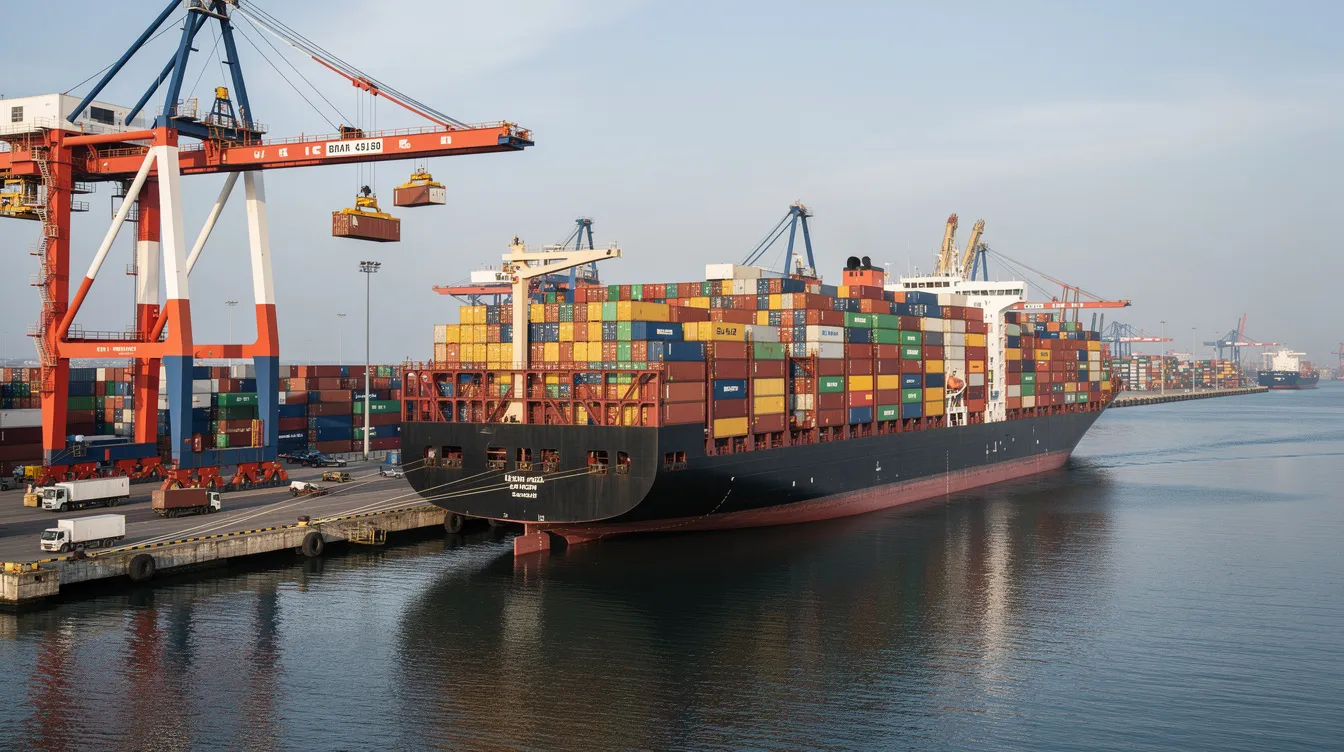
Quick Comparison of Freight Scenarios
How to Choose the Right Freight Approach
Choose Based on Shipment Characteristics
Weight and dimension thresholds determine your starting point. Less than truckload (LTL) handles 1–6 pallets cost effectively. FTL typically becomes cheaper per pallet above 8–12 pallets or 10,000–15,000 pounds. Freight class affects LTL pricing significantly-high-class items (light, bulky, fragile) can dramatically increase ltl freight costs. FTL billing largely ignores freight class.
Intermodal shipping uses multiple modes for optimal transport and can reduce costs on longer lanes where speed isn't the primary concern. For non urgent shipments, this approach offers meaningful cost savings.
Choose Based on Delivery Requirements
Commercial delivery to docks is straightforward and inexpensive. Residential delivery adds liftgate, appointment, and potentially inside delivery charges that can increase the invoice by 10–30%. Transit time matters too: ltl shipments typically take 1–5 days longer than FTL on the same lane due to hub-and-spoke routing through multiple carriers and terminals.
Expedited freight refers to time-critical shipments requiring urgent delivery. Delivery times for expedited shipping can vary based on standard services offered by shipping companies. Expedited shipping is essential for meeting tight delivery windows, but the premium pricing means it should be reserved for situations where customer expectations or stockout risk justify it.
Choose Based on Volume and Frequency
Regular freight volume allows negotiation of contract rates, discounted lanes, and better carrier commitments. Spot rates cost more and have greater variability. If you're shipping freight weekly, establishing relationships with regional carriers and national LTL networks will lower costs significantly compared to one-off bookings.
Seasonal demand can lead to higher freight costs, so plan replenishment cycles ahead of peak periods when capacity tightens.
Which Freight Solution Is Best for You?
- Choose LTL freight if you ship 1–10 pallets regularly and want cost effective shared truck space with multiple shippers
- Choose FTL freight if you ship 10+ pallets and need dedicated truck capacity, faster transit, or reduced damage risk
- Choose freight forwarding services if you need end-to-end coordination, customs support, or lack internal logistics expertise-freight forwarders can save time and reduce headaches for shippers
- Choose integrated 3PL freight if you want seamless coordination between inbound freight and order fulfillment, managed by a single logistics partner that handles both warehouse operations and freight services
Understanding Freight Costs and Documentation
Cost Factors
Freight costs are driven by several interconnected variables:
- Base rate: Determined by weight, distance, and mode. Freight costs increase with greater shipping distances.
- Fuel surcharges: Typically 20–35% of the base rate on LTL, fluctuating weekly based on diesel indices.
- Accessorial charges: Liftgate ($40–$150), residential delivery, inside delivery, appointment delivery, detention, and reweigh fees. These are frequently underestimated and can represent a significant portion of ecommerce shipping costs.
- Freight class: For LTL, your NMFC classification based on density, handling, liability, and stowability directly impacts rate. Misclassification triggers penalty fees.
- Urgency: Premium rates apply for overnight delivery or same day delivery service levels.
- Market conditions: Unexpected disruptions can raise freight rates significantly. Driver scarcity, regulatory changes, and capacity constraints all affect pricing.
A warehouse management system that tracks dimensions, weights, and freight class for every SKU helps you quote accurately and avoid billing surprises.
Essential Documentation
- A Bill of Lading (BOL) establishes the shipping contract terms between shipper and carrier, covering origin, destination, weight, and item description.
- Commercial Invoices detail the transaction between shipper and consignee for international shipments.
- An Advanced Ship Notice (ASN) tells the receiving facility what's arriving and when-required by most retailers and Amazon.
- Customs documents including Certificate of Origin for international freight and customs clearance.
Free Trade Zone Advantages
Free Trade Zones allow imported goods to be stored, assembled, or manipulated without immediate customs duties. Brands importing inventory can defer duties until goods enter domestic commerce, or eliminate them entirely on re-exported goods. This improves cash flow and reduces effective duty costs-a strategic advantage for any ecommerce business managing international freight and cost-saving strategies.
Freight Shipping Glossary
For a comprehensive list of logistics terms, see ShipNetwork's full shipping terminology glossary. Here are the key considerations for freight:
FAQs
Standard ecommerce is reactive - an order arrives, you pick, pack, and ship. The subscription fulfillment process is proactive: you have fixed ship windows, rotating product content, BOMs that change each cycle, and subscriber-level customization. This creates subscription box fulfillment challenges around timing, accuracy, and inventory that don't exist in one-off order fulfillment. Timely shipping is key to meeting customer expectations, and efficient order fulfillment requires planning weeks before ship day.
Less than truckload ltl shares trailer space with other shippers and is priced by weight, freight class, and distance. LTL works for 1–6 pallets. FTL books the entire truck for your freight shipment, is priced per load or per mile, and makes sense above 8–12 pallets. FTL offers faster transit, fewer handling touches, and lower damage rates. For a deeper breakdown, read our guide on LTL and FTL shipping.
Use standard GMA pallets (48 x 40 inches), stack weight appropriately with heavier items on bottom, wrap securely with stretch film, and label all four sides. Ensure no overhang beyond pallet edges. Include a BOL and ASN with accurate weights and descriptions. Proper preparation with the right packaging materials prevents rejection at receiving.
Domestic freight requires a Bill of Lading and ASN at minimum. International freight adds a commercial invoice, Certificate of Origin, and potentially Electronic Export Information for exports over $2,500. Amazon FBA requires shipment plan documentation, content labels, and carrier compliance records.
LTL freight shipping costs combine base rate (weight × freight class × distance), fuel surcharge (20–35% of base), and accessorial charges. FTL is priced per load or per mile based on lane, capacity, and trailer type. Shipping software can help compare rates across multiple carriers to find lower costs.
The biggest mistakes: incorrect freight class declarations, missing or mismatched BOLs, poor palletization that causes rejection, missed appointment windows, and underestimating accessorial charges. Each one adds cost or delays that affect customer satisfaction and warehouse teams' ability to process inbound efficiently.
You can ship direct if you have internal logistics expertise and established carrier relationships. A freight forwarder adds value when you need multi-modal coordination, customs support, or lack the volume to negotiate competitive rates. For SmartFreight solutions, working with an integrated provider gives you both quoting power and operational coordination.
FTZs defer import duties until goods leave the zone and enter U.S. commerce. If goods are re-exported, duties may be avoided entirely. This improves cash flow, reduces effective duty rates, and gives brands more flexibility in how they manage international inventory. It's a strategic tool for any ecommerce shipping strategy involving imports.
.svg)