Advanced Technology in Freight Management: How Real-Time Tracking Changes Inbound Logistics
Freight management is where most ecommerce brands have the least visibility and the most exposure to delays, chargebacks, and unexpected costs. A missed receiving appointment, an ASN that doesn't match the physical shipment, a BOL with missing documentation - each creates a delay that ripples through inventory availability and order fulfillment. Advanced freight management technology gives brands real time tracking into inbound shipments, automated documentation, and the carrier optimization tools to route freight cost-effectively without manual rate shopping.
Why Freight Management Technology Matters for eCommerce Success
Most ecommerce brands have robust outbound tracking. Customers get notifications, delivery photos, and tracking information at every step. Inbound freight - the shipments arriving at your fulfillment centers from vendors and suppliers - is a different story. You might know a purchase order shipped, but not when it will actually arrive, whether the unit counts match, or if the documentation is correct.
This gap is expensive. Real-time tracking enhances supply chain visibility and efficiency, but without it, brands absorb cascading costs: stockouts, inflated safety stock, missed promotional windows, retailer penalties, and emergency air freight. Complete end-to-end visibility eliminates blind spots in the supply chain that cause these problems.
The numbers prove it. In a Kansas City Electronic Freight Management case study, improved inbound visibility reduced backorders by approximately 30% and increased container space utilization by nearly 4%. In another case, a large importer with unmanaged inbound freight spend achieved over a 20× reduction in detention and demurrage costs after deploying a full inbound visibility platform.
Real-time tracking minimizes risks of lost or delayed shipments by surfacing problems before they compound. When even a single day's delay on a high-demand SKU means lost revenue, these costs multiply fast. Real-time tracking transforms inbound freight management into a proactive, data-driven workflow - giving brands accurate data to plan stock receipts, align product launches, avoid emergency reorders, and reconcile inventory the moment goods arrive.

The Critical Need for Inbound Freight Visibility
Brands obsess over outbound tracking because it's customer-facing - every delivery is part of the brand promise. Inbound freight gets handled reactively: somebody calls the carrier when something's late, then adjusts expectations after the fact. Reactive management creates waste at every stage.
Full inbound tracking means visibility from PO creation through vendor confirmation, freight pickup, in-transit movement, arrival at the warehouse or 3PL facility, receiving, and putaway. In practice, this looks like:
- Vendor confirms PO and production status
- Freight forwarder or supplier sends an ASN with weight, pallet count, cube information, and carrier details
- GPS tracking reveals the shipment's location and estimated arrival times in transit
- Facility receives arrival notification with dock door assignment
- Units are counted, discrepancies flagged, and inventory put away into the WMS
The impact on reorder timing is significant. Real-time tracking supports just-in-time inventory practices - rather than basing reorder points on "how long the vendor says," brands use data-driven lead times reflecting actual transit performance. If inbound shipments regularly arrive late due to port delays or carrier issues, you adjust safety stock or select faster carriers. Better visibility in logistics helps reduce unnecessary safety stock and holding costs that eat into margins.
Dynamic inventory planning is enhanced through predictive ETAs from real-time data. Real-time tracking improves communication among logistics teams and stakeholders, so procurement, warehouse ops, and marketing all work from the same arrival timeline. The cost difference between proactive freight management and reactive firefighting is often measured in six figures annually for mid-size ecommerce brands.
What Real-Time Freight Tracking Actually Provides
To be useful, freight tracking must deliver specific, actionable data - not vague "in transit" statuses. Here are the data points that matter in a comprehensive transportation management system:
Pickup confirmation. Timestamp, carrier info, the BOL number, and ideally proof of pickup via scan or photo. The pickup date anchors every downstream ETA. Without it, confusion compounds.
In-transit location updates. Freight tracking uses GPS, barcode scanning, or other monitoring systems to provide real time updates on the shipment's status. GPS tracking and telematics trigger events when freight crosses hubs, ports, or state lines. Container tracking systems provide real-time shipment visibility for international shipments. PRO numbers are used to track less than truckload shipments through carrier networks, giving shippers a progressive number to monitor movement.
ETA vs. appointment time. Advanced tracking systems provide updates on location and status, comparing scheduled dock appointments to actual arrival projections. Precise arrival time of freight allows for optimized labor and dock management - you know whether to staff the receiving dock or stand down. Automated alerts notify managers of route deviations and cargo condition changes before they become problems.
Receiving confirmation. When goods arrive, they're scanned at the dock door. Counts are compared against the ASN. Discrepancies surface immediately.
Putaway completion. Inventory is only truly available when counted, stored, and recorded in the warehouse management system. Real-time tracking allows warehouses to synchronize receiving processes with transportation activities, and real-time tracking automates material handling before shipments arrive at warehouses.
Condition monitoring. IoT devices monitor conditions like temperature during transit, ensuring temperature sensitive products are maintained within acceptable limits. Condition monitoring ensures sensitive cargo isn't compromised before it reaches the final destination.
The gap between assumptions and reality is where money gets lost. "We think it shipped Monday" is not the same as "received Tuesday at 2pm, 847 units available." That difference - often 2-3 days of invisible lag - directly impacts when you can fulfill orders, launch promotions, or provide customers with accurate delivery promises.
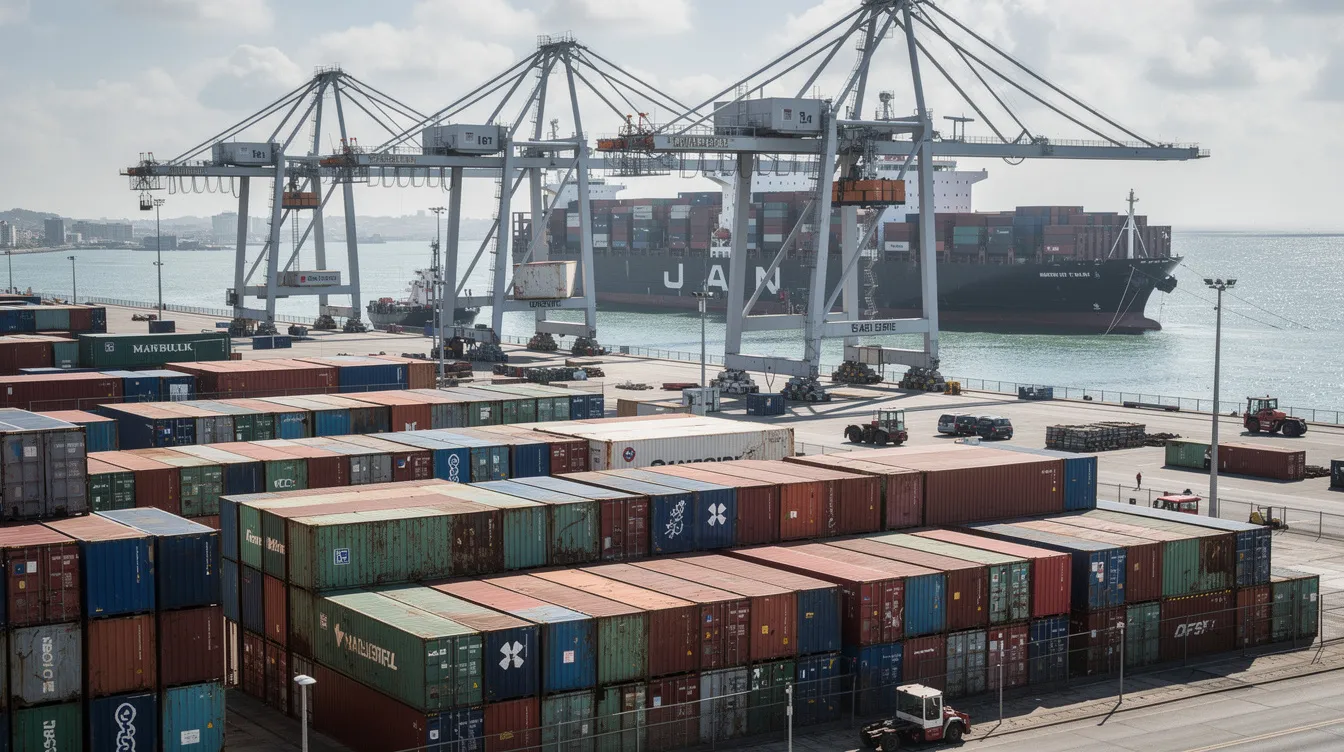
Advanced Freight Management Technology: Core Capabilities
Advanced technology in freight management isn't just about knowing where a truck is. It's a set of integrated capabilities that turn inbound freight from chaos into predictable logistics operations.
Carrier selection and rate optimization. Not just for parcel - for LTL shipments, FTL loads, intermodal, and international shipments. A freight tracking system that rate-shops across carriers considers transit speed, lane performance, costs, and reliability. When a carrier picks up your freight, the system has already identified the optimal balance between speed and transportation costs.
Automated appointment scheduling and BOL generation. As shipments approach origin terminals, dock appointments are booked automatically. Digital BOLs (eBOLs) replace paper forms, reducing documentation errors and delays at every touchpoint. Shipping labels and shipment data are generated in sync.
Single-dashboard tracking. Rather than checking multiple carrier websites or calling reps, one user friendly interface shows all freight shipments across every carrier network, freight forwarder, and domestic or international leg. You simply enter a tracking number or reference to see tracking results and the current position of any shipment.
SmartFreight technology. ShipNetwork's SmartFreight is the freight management layer that applies rate shopping, visibility, BOL and ASN automation, carrier selection, and WMS integration into a single process. Leading logistics providers like AFS Logistics use platforms such as project44 to offer in-transit visibility, eBOLs, and document retrieval for all shipments - whether booked through their TMS or outside it.
System integration. Real-time tracking systems enhance supply chain visibility and efficiency only when freight data flows into your WMS, ERP, and inventory management systems. Receiving data must update inventory availability so sales channels and fulfillment operations see accurate stock counts. RFID technology enhances inventory management in logistics by enabling automated scanning at receiving and putaway. Advanced analytics optimize routes and automate logistics tasks that previously required manual intervention. Advanced logistics technology facilitates proactive exception management in supply chains, catching issues before they cascade.
IoT devices monitor conditions like temperature during transit, with sensors tracking humidity, shock, and location across the logistics industry. Real-time data allows for improved operational efficiency and reduced transport costs across the entire inbound supply chain.
Optimizing Freight Speed and Cost Through Technology
The same intelligent carrier selection principles behind ShipNetwork's proprietary KNCT shipping solution apply to freight. Instead of manually comparing rates and calling carriers, the technology evaluates cost, speed, reliability, and lane performance for every shipment.
Rate access through volume. A 3PL's freight volume produces rate access that individual brands can't negotiate. Logistics companies moving thousands of shipments monthly get better per-unit pricing, guaranteed capacity, and stronger lane coverage. This lets brands reduce costs on every inbound load without managing carrier relationships directly.
Appointment management. Receiving docks are chokepoints. Missed appointments incur detention fees, yard congestion, and idle labor. Dynamic routing adjusts delivery windows instantly based on traffic or weather changes, while automated scheduling matches ETAs to available dock capacity. Real-time tracking optimizes routes and reduces transit times by feeding live data into scheduling algorithms. Aggregated tracking data offers insights into supplier performance and on-time delivery rates, helping brands hold vendors and carriers accountable.
Utilizing real-time tracking minimizes detention and demurrage fees - charges that accumulate when containers sit at ports or yards. One national 3PL using yard sensors and gate flow systems reduced gate turnaround time by 20% and improved trailer utilization by 35%.
Free Trade Zone advantages. For brands importing internationally, FTZ-enabled facilities offer powerful cost optimization. In a Free Trade Zone, imported goods are considered outside U.S. customs territory until they enter domestic commerce. Benefits include:
According to USITC research, firms in U.S. Foreign Trade Zones saved approximately $1.2 billion in duty cost reductions and exemptions in 2021. With ShipNetwork reaching 98% of the U.S. population within 1-2 days through its distributed fulfillment network, combining FTZ duty savings with fast domestic delivery creates a measurable cost advantage.
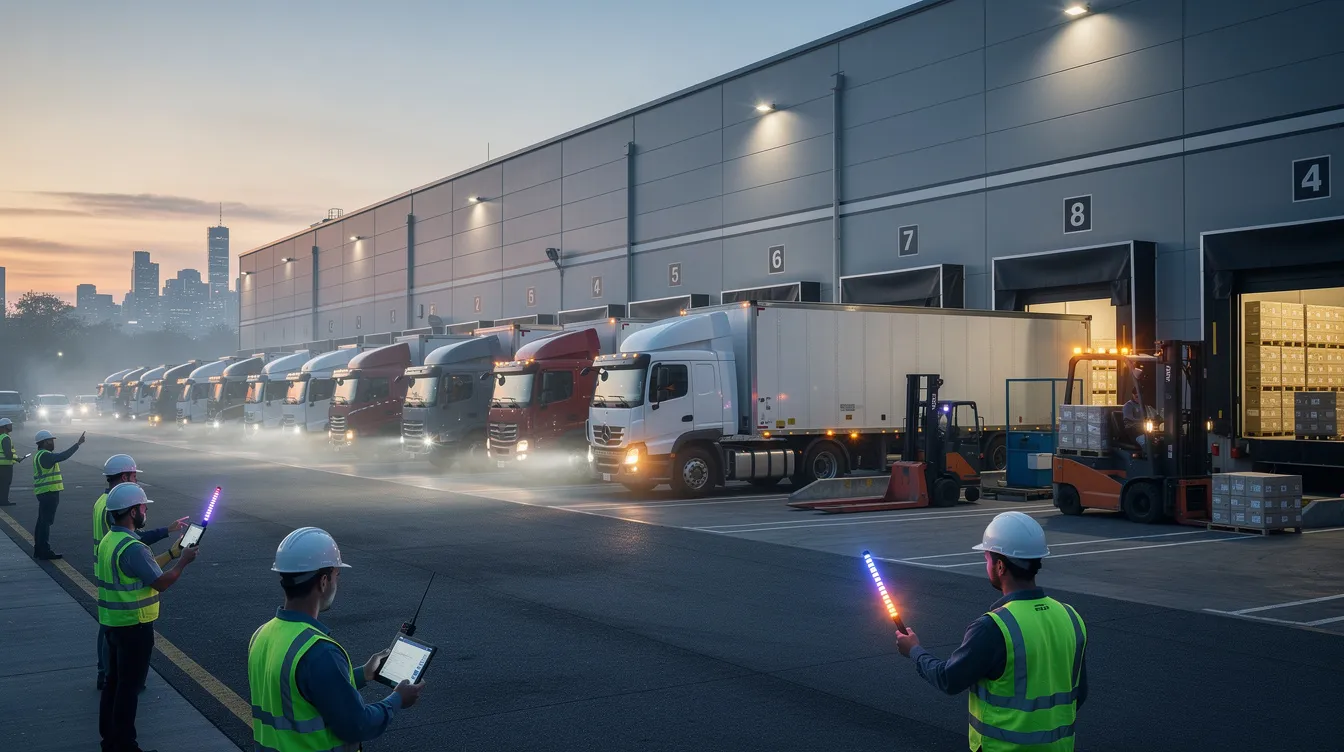
Reliability and Consistency in Freight Operations
Carrier performance variability is the hidden tax on inventory planning. Transit delays, missed appointments, documentation errors, and cargo damage all introduce uncertainty. Brands compensate by building excess safety stock or accepting periodic stockouts - both the goods and the revenue suffer.
Real-time tracking enhances visibility across the supply chain, providing the data needed to measure and manage that variability. With visibility tools, brands and their 3PL partners access carrier performance scorecards: transit time variance, on-time delivery rates, damage rates, BOL accuracy. Real-time tracking systems provide alerts for significant events - delays, route deviations, temperature excursions - so teams can stay informed and act before problems reach the warehouse.
Real-time tracking minimizes the risk of lost or delayed shipments through continuous monitoring rather than periodic check-ins. Real-time updates improve customer satisfaction and transparency because reliable inbound freight directly supports reliable outbound fulfillment. If inventory doesn't arrive as planned, outbound promises can't be kept - and the overall customer experience degrades.
The connection matters: when inbound freight arrives predictably, you can confidently offer faster delivery windows, run promotions tied to new inventory, and maintain the timely deliveries that drive repeat purchases. Building trust with customers starts with trusting your own supply chain data. AI algorithms analyze historical carrier performance to predict which lanes and carriers deliver the reliability your business needs, enabling informed decisions about carrier allocation.
Amazon FBA Inbound Freight: Managing Complexity
Inbound to Amazon's FBA is one of the most demanding freight scenarios in ecommerce. Amazon enforces strict compliance on every detail:
- ASN accuracy: Advance Ship Notices must match shipment contents exactly - unit counts, dimensions, weights
- FNSKU labeling: Every unit needs correct labeling per Amazon's specifications
- Packaging rules: Shipment split requirements, box content restrictions, pallet configuration
- Appointment scheduling: Coordinated through Seller Central with tight delivery windows
Non-compliance triggers appointment cancellations, chargebacks, delayed receiving, and delayed inventory availability. Each delay means potential lost sales during peak demand.
A 3PL experienced with FBA inbound manages these requirements systematically: inspecting vendor shipments before forwarding, generating ASNs automatically with matching counts, applying correct labels, producing compliant BOLs, and coordinating appointments. EDI integration ensures documentation flows electronically rather than through error-prone manual processes, reducing compliance cost and delay risk.
Freight Management Technology Glossary
For a deeper dive into LTL and FTL shipping or ecommerce freight fundamentals, explore ShipNetwork's freight guides.
Transform Your Freight Management with Advanced Technology
Inbound freight doesn't have to be a blind spot. Advanced ecommerce freight technology gives brands the visibility, cost control, and operational efficiency to turn inbound logistics into a competitive advantage - not a source of surprises.
Ready to take control of your inbound freight?
- Request a freight management quote and see how SmartFreight optimizes your inbound operations
- Explore ShipNetwork's ecommerce freight services for a complete overview of capabilities
- Learn about FTZ-enabled fulfillment to reduce duty costs and tariff exposure on international shipments
FAQs
Real time tracking uses GPS or GNSS devices on trailers and containers, combined with IoT devices that provide real time tracking information on location, condition, and movement. Edge triggers and ETA algorithms compare the shipment's location against known routes, traffic patterns, and weather to generate estimated arrival times. Standard messaging formats (ASN, EDI) and API integrations ensure real time tracking updates flow into your WMS and TMS. Artificial intelligence refines ETA predictions over time. Machine learning predicts potential logistics issues before they occur, enabling proactive rerouting. 5G technology promises faster data transmission for tracking systems, improving update frequency and accuracy as technology continues to evolve.
SmartFreight is ShipNetwork's freight management layer that combines carrier rate shopping, digital BOL and ASN generation, in-transit visibility, and WMS integration. It optimizes cost versus speed for every shipment, reduces manual tasks, improves compliance, and delivers greater visibility into inbound freight for ecommerce brands. Learn more about how SmartFreight ensures competitive freight rates.
By detecting delay risks early (vessel behind schedule, port congestion), brands can reroute or adjust staffing. Correct paperwork - BOLs, ASNs, shipping labels - avoids delays at customs and dock doors. Automated appointment scheduling eliminates idle labor and detention fees. RFID tags and barcode scanning at receiving accelerate intake. The net effect: fewer emergency expedited shipments, lower overstock, and fewer lost sales from stockouts.
FTZs allow brands to defer duties until goods leave the zone and enter U.S. commerce. Goods re-exported from FTZs avoid duties entirely. U.S. FTZ firms saved approximately $1.2 billion in 2021 through duty reductions and exemptions. FTZ status can also reduce state and local inventory taxes. Explore ShipNetwork's FTZ-enabled fulfillment facilities for details.
ShipNetwork provides SmartFreight for domestic and international freight, automatic rate optimization across carriers, digital BOL and ASN generation, real time information on shipment status, integration with major ecommerce platforms via API, and access to FTZ-enabled facilities. Combined with a distributed fulfillment network and 1-day fulfillment SLA, the services deliver end-to-end freight and fulfillment management.
Tracking closes the gap between "shipped" and "available." When freight arrives, receiving confirmation triggers count verification against the ASN. After putaway, the WMS updates inventory to "available," and sales channels reflect accurate stock. Without this connection, brands sell against phantom inventory or miss sales windows. Real time information from tracking feeds directly into inventory planning, letting teams manage replenishment cycles with precision.
.svg)